History At Gibraltar! Gibraltar Open Final 2020 – Shorts Thoughts

91.jpg

It was an atmosphere so serene, you could hear a pin drop. A hushed crowd resides in the conclusion to the inaugural European Series as we all remotely watched the headline players of the current generation clash in what was the best final this tournament has seen. Judd Trump and Kyren Wilson provided an epic that went to the wire for the first time in this tournament’s final history that left us all thinking the same thing…why couldn’t this match have been longer?

Breakdown

It was a heavy scoring start to the match in the first three frames where a fairly simple pink off the spot cost Wilson as Trump punished with a 125 break. This included an impressive double on his third red. Trump almost continued this storm with a brilliant long opening red off the cushion which in my opinion, was the shot of the match. If an audience was present, this definitely would have yielded a positive reaction. Unfortunately, a positional shot gone slightly wrong led to a missed green with the rest from Trump which Wilson pounced on with 115. However, a misjudged dump shot by Wilson in Frame 3 left Trump the chance to make a 144, which included 14 blacks and 1 brown.

Frame 4 was one of my favourites of the match and was the first to see some back-and-forth action. Trump started with a 45 but unexpectedly missed another colour with the rest. This left Wilson in to make a 56 but missed a mid-distance yellow. The tactical battle that took place on the yellow was an exciting yet refreshing change of pace. It was ultimately won by Wilson with a brilliant long pot, not too dissimilar to the opening red by Trump in Frame 2.

The following frame was a scrappier affair with neither player making a sizeable, frame-winning contribution. It was eventually won by Wilson, thanks to a fluke brown which he was able to pot despite being partially snookered; which could have been a potential turning point in the match. However, much like Trump has been doing all season, he’s been proving that he can play with his back against the wall as he retaliated with a 123 in Frame 6. Despite not winning in one visit, Trump established formidable control in the deciding frame and wins the match with the crowd going wild.

Afterthoughts

A short, but sweet contest; Gibraltar witnessed the best final it has seen in its short history. Given the brief best-of-7 nature, it would still be up there with the better finals of the season. The way that both the players were performing on the day would have made a best-of-19 far more enjoyable but nevertheless, Wilson and Trump left me wanting more by producing a tremendous battle that a live audience would have appreciated.

Wilson reaches his third final of the season which adds to a further impressive two semi-finals for his campaign so far. This was the first final since his near whitewash to Murphy in the Welsh Open and he brought out the kind of form that he hoped to produce then. Wilson was able to score and win the scrappy affairs on the day which may have benefitted him if the match was a longer format, but found himself against a highly motivated serial winner at the top of his game.

This result puts Wilson out of reach for participation in the Tour Championship which provides relief for Higgins as he holds the No. 8 spot. Considering that only the World Championship remains (potentially), Wilson will need a deep venture if he wants to retain at least a Top 10 position in the world rankings.

As for Trump, he created a little bit of history as he becomes the first and only player in snooker history to win six ranking events in a single season. Regardless of what happens at the Tour and WSC, Trump has secured his mantle as the seasons and worlds best while he goes on to try and record snookers best ever season with 97 centuries and counting, with two events remaining. Trump knows what he has achieved this season and is therefore, more relaxed; and I don’t think there is a more dangerous opponent right now than a relaxed Judd Trump.

I felt a little bad for Trump because he had to celebrate this historic achievement to a ghost crowd however, he showed his sense of humour and character as he showcased the trophy and thanked the crowd as if they were there. This victory proved to be quite lucrative as Trump wins £50,000 for the win, £150,000 for the European Series bonus (beating Robertson’s ES total by £15k) and £5,000 for the high break prize.


Like this Short? Click here to read: Present vs. Future? Players Championship Final 2020 – Shorts Thoughts

Have an idea for a Short post? Feel free to get in touch using the social media links below! Thanks for reading!

87.jpg

Why The Coral Cup Series Is A Great Idea

90.jpg

The Coral Cup consists of my favourite tournaments in the whole snooker season, with the exception of the Triple Crown. They operate slightly differently to other tournaments and provide some of the best matches which could contest a major final in their own right. As the series progresses, the competition only gets better and success in these events can have drastic impacts on a players earnings and therefore, ranking.

If you’re unaware, the Coral Snooker series is made up of the World Grand Prix, Players Championship and lastly, the Tour Championship. The Grand Prix is the oldest of the three events, dating back to the 1980s and going through numerous rebrands; the Players Championship goes back to 2011 and the PTC; while the Tour Championship was only introduced last season when the Coral Cup brand was formed. They are all held fairly closely to each other after the New Year and include competitors in the Top 32/16/8 of the one-year ranking list.

That’s one of the main qualities that make these tournaments fascinating to watch. Near enough every other event is based on using the two-year world ranking data in which certain players can win a big tournament and sit on the prize winnings for quite some time – two years to be exact. The Coral events reflect those who have performed best in the current season and pretty much give a clear, up-to-date picture on who the top players are.

If a player has won any kind of ranking event in the season, then they are pretty much guaranteed a spot in the Top 32 or even the Top 16. For instance, Ding Junhui is securely in the Players and Tour Championship thanks to his UK Championship victory, despite not winning anything on either side of this tournament for quite some time. Even if you’re a defending champion, a poor performance in the season will not get you into the later, more lucrative Coral events. It’s a shame the Shanghai Masters isn’t a ranking event.

There are six-figure prizes on offer for the winner of any of these events (GP - £100k; Players - £125k; Tour - £150k), making it a worthwhile endeavour for those aiming to get towards the top of the rankings. Considering the available winnings, it’s quite amazing to realise there were still 6 tournaments last season that dished out higher prize money to the winners. However, when the prize money is this high you can expect the best players to show up and given the format of the Coral Cup, you can expect to see matches that you’d watch in the Masters.

One of my favourite features of the Coral Snooker Series is the progression that you’re able to witness as the weeks roll by. Unlike the Home Nations or the recently created European Series, the Coral Cup filters the best among the best (among the best) through the series. While other events have an element of unpredictability due to the short format matches and flat-128 draw, you have a better idea of the quality and calibre of snooker to expect with the Coral events.

Whether Coral remain the sponsor for the series indefinitely or not, I do hope that WST continue to brand these events together. Similar to the Home Nations, these tournaments create a unique storyline when bundled together, particularly with the bonuses that are up for grabs. I wonder if something similar could be created earlier in the season for those ranked 33-64.


11.jpg

Like this Short? Click here to read: Top Ranking Events in 2018/19 Season

Have an idea for a Short post? Feel free to get in touch using the social media links below! Thanks for reading!

Snooker Cue Tip Brands (Elkmaster/Kamui etc.)

89.jpg

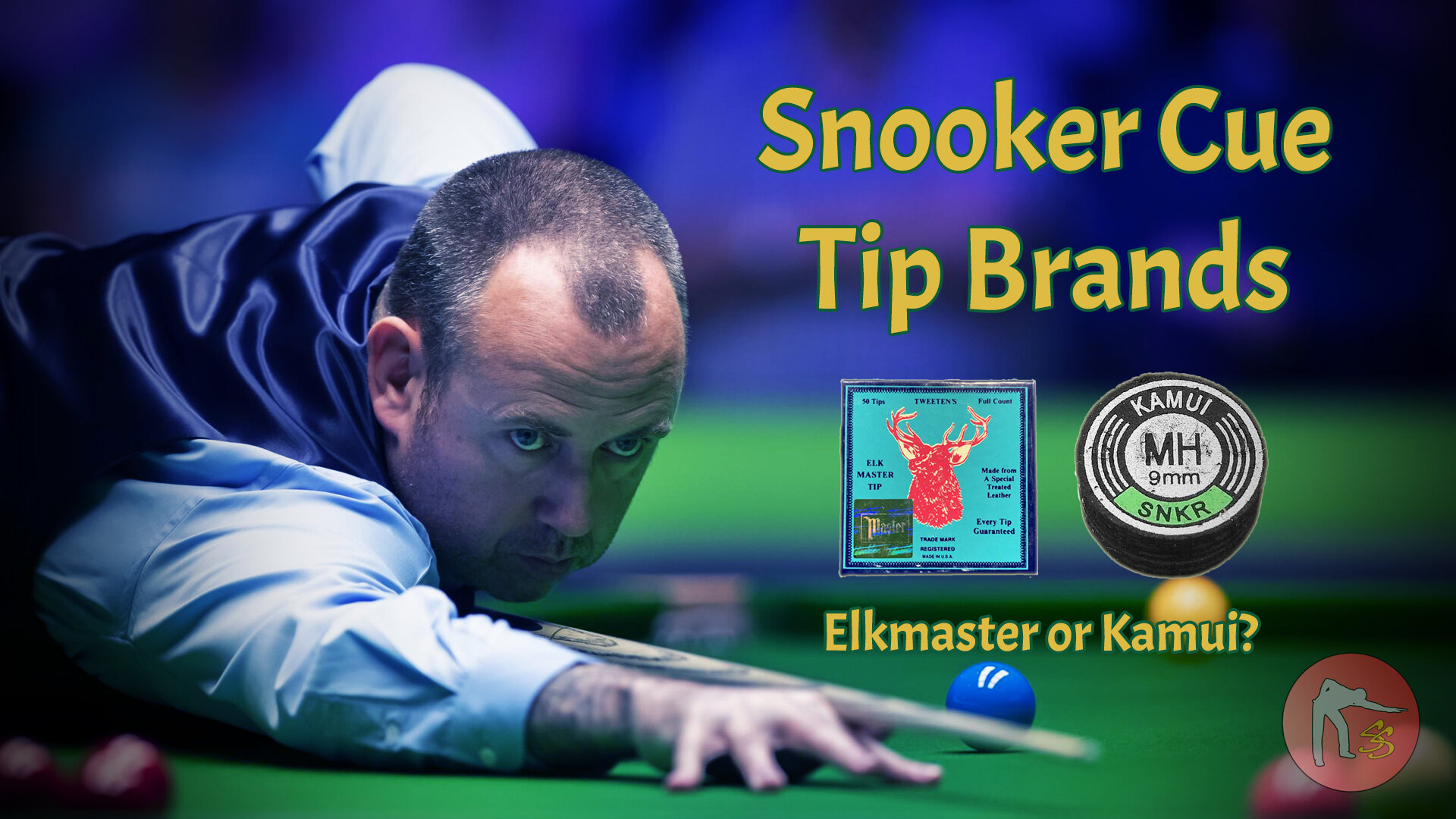
Formerly, I’ve looked at how the tip of a cue can make a difference when you are playing a shot. This looked at factors like size and density (click here to read that Short) and how they can impact a shot upon contact. If you are looking at replacing the tip on your cue and wondering how to choose from all the brands that are available, then hopefully this will be helpful for you.

Elkmaster

The most common/popular brand of cue tip, even among professionals. These tips can be ordered in batches so you’ll always have spares available should the situation arise. They are quite inexpensive compared to other brands. Elks generally fall on the softer end of the scale, allowing for comfortable gripping on the cue ball as well as ease when it comes to shaping. They will also require a bit of breaking in before getting comfortable and consistent results.

Due to Elks coming in batches, it can be tricky finding the perfect tip of out the bunch. This can often lead to heavy shaping and pressing before even using the tip to ensure it fits your specification/preference. There are such tips called Elkmaster Pros which are pressed and shaped to a better result than standard Elks, but I am not aware that these are actually any different in the manufacturing process i.e. they are handpicked out of an ordinary Elk batch. Blue Diamond is a brand that is characteristically similar to Elk, if it doesn’t meet your requirements.

Kamui

Chief rival to Elkmasters – Kamui offers an alternative to players who prefer the contact of a slightly harder tip. Kamui is more expensive and you are effectively ordering for a single piece, as opposed to receiving a batch with multiple tips. Kamui uses a higher quality leather so you don’t have to maintain them as much as an Elk - you can worry less about mushrooming or misshaping with a Kamui tip. John Higgins is a notable Kamui user.

Century

A brand of tip that is all about quality. If you want something that matches the class of the sport you play in, this is the one to get. Century uses a grading system to allow you to find the perfect density in your tip; G1-5 where the higher you go, the harder the tip. These tips are a little more expensive than Kamui’s but you receive four in a batch and shouldn’t need to worry too much about compressing them. Another thing to consider is that currently, they are only available in a 10mm configuration, so if you wanted something smaller and don’t want to take to slicing your expensive product, you may need to compromise or wait until Century start manufacturing a smaller tip.

Something to note is if you want a G5 graded tip, these do have to be custom made and are significantly more expensive than other tips. So bear that in mind if you need a hard tip. Century is a brand of tip endorsed by Mark Selby.

Fun Fact: According to Century’s Amazon seller page, Mark Williams used a Century tip when he won the World Championship in 2018!

Talisman

Available in soft, medium or hard variants the Talisman tips are close in price to the Century brand. Talisman tips are generally harder than other brands so soft and medium will be sufficient for most users. Often complemented as a great all-round tip which doesn’t require much breaking in or maintenance, this is a great choice for a reasonable all-round player.

It’s quite difficult to compare tips unless you have extensively used products across all brands. Most people will have a certain preference when it comes to size and density but the main differences across manufacturers is the time it takes to break in/shape a new tip and how often it will need to be replaced. What do you think? What’s your tip brand of choice? Feel free to inform on other brands that were not mentioned above (Black Heart – but they seem to be quite scarce).


51.jpg

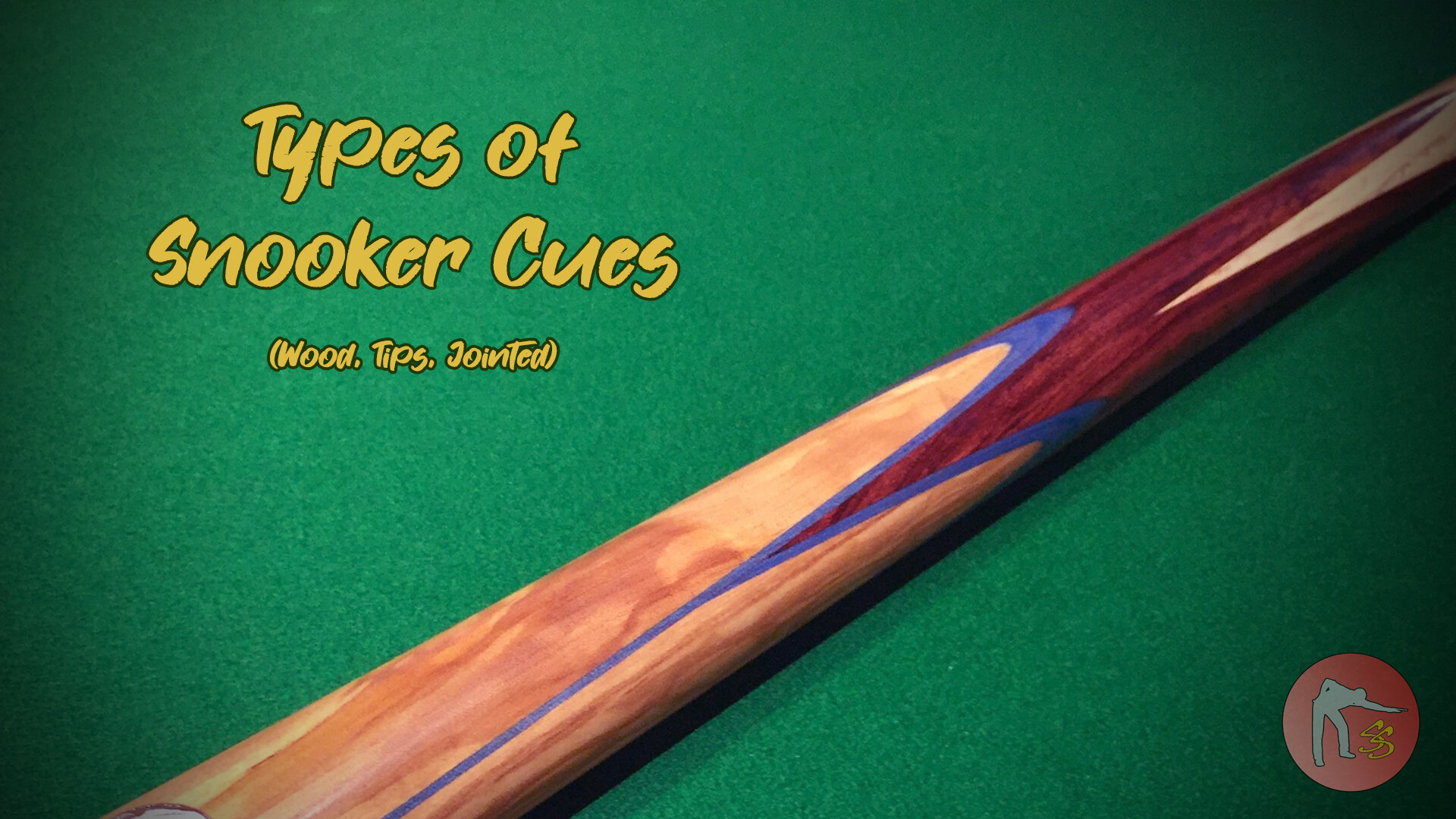
Like this Short? Click here to read: Types of Snooker Cues: A Guide for Buying Cues

Have an idea for a Short post? Feel free to get in touch using the social media links below! Thanks for reading!
Snooker: The Miss Rule

88.jpg

In September 1995, the rule book was amended to introduce the wildly positively received ‘foul and a miss’ call. Since its early beginnings to present day, this rule has brought more attention and dispute than perhaps any other aspect of the modern game. It’s been 25 years living with miss rule – has it made things better?

Prior to foul and a miss, players were able to deliberately play foul shots with no real consequence in order to leave the cue ball in a safe position. Instead, they would sacrifice penalty points to their opponent as opposed to an opportunity where they could win the frame. Foul and a miss sounds pretty fair now, right?

However, problems occur if a player relies solely on miss points to get themselves into, or even win a frame after their opposition have made a sizeable contribution. A snooker could be laid and all of a sudden, there’s an extra 30 minutes added to the frame. This leads to the additional criticism of how it affects the tempo and entertainment value of the match, particularly for those who tune in occasionally and see a player still attempting the same shot.

There have been times when the miss rule had to be amended such as the 2009 UKC incident between Higgins and O’Sullivan where ROS snookered himself on the colours and accidently nudged a red before taking a shot, thereby cancelling the miss call by Jan Verhaas. Due to the red now being the playable colour on the next shot as opposed to a nominated colour, the rules were shortly after revised to cover rare circumstances such as these.

The other issue can arise when misses are called even if a players attempt at an escape was performed sufficiently not to warrant the call. So let’s say someone shot a three or four cushion escape but very narrowly missed their target yet is still called a miss. Misses are not called if the referee judges that the player played the shot to the best of their ability and got as close as they possibly could have contacting the object ball.

Although, what is often the case is that when a player is trying to make a tricky escape requiring multiple cushions, they are trying to also play safe. Which is where referees are in a tough spot because if there is an easier one-cushion escape available they kind of have to call the miss. Referees have to try and manage these situations along with its ruling to ensure fair calls are made – which can be the trickiest part of their job along with accurate re-spotting. The most recent foul/no miss call that I recall being fair was between Trump and Robertson in their epic Champion of Champions final overseen by Desi Bozhilova.

It’s strongly voiced by many which side of the coin they lie but even when players were consulted about it, while not entirely happy about it, they couldn’t think of a better alternative and stated the rule should probably remain. There may be a better solution out there that exists which we won’t know about for a while but in the meantime, it is pretty rare that exceptional circumstances occur which reignites the spark to debate this hot topic.

I do think referees should be given more authority to use their judgement and discretion to be a little more lenient when calling misses. If a player barely misses their object ball off a three or four cushion escape, misses shouldn’t be called because misses likely wouldn’t be called if it were a one-cushion escape – in the case of a full-table snooker anyway where the nap of the cushions can be a factor.

There should also be more care taken when replacing balls in a foul and a miss situation. Considering the technology available, there should be a far better job done by the markers when aiding the referee in replacing the balls. It happens far too often when balls are replaced and the before/after pictures are like two separate tables. Commentators are quick to commend a good job done when correctly replaced but quite frequently, they just have to keep quiet when they see the glaring differences between the before/after pictures.

What’s your thoughts on the foul and a miss rule? Should it stay or do you know of a better alternative?


Like this Short? Click here to read: Are Best-Of-7 Matches Too Short?

Have an idea for a Short post? Feel free to get in touch using the social media links below! Thanks for reading!
76.jpg